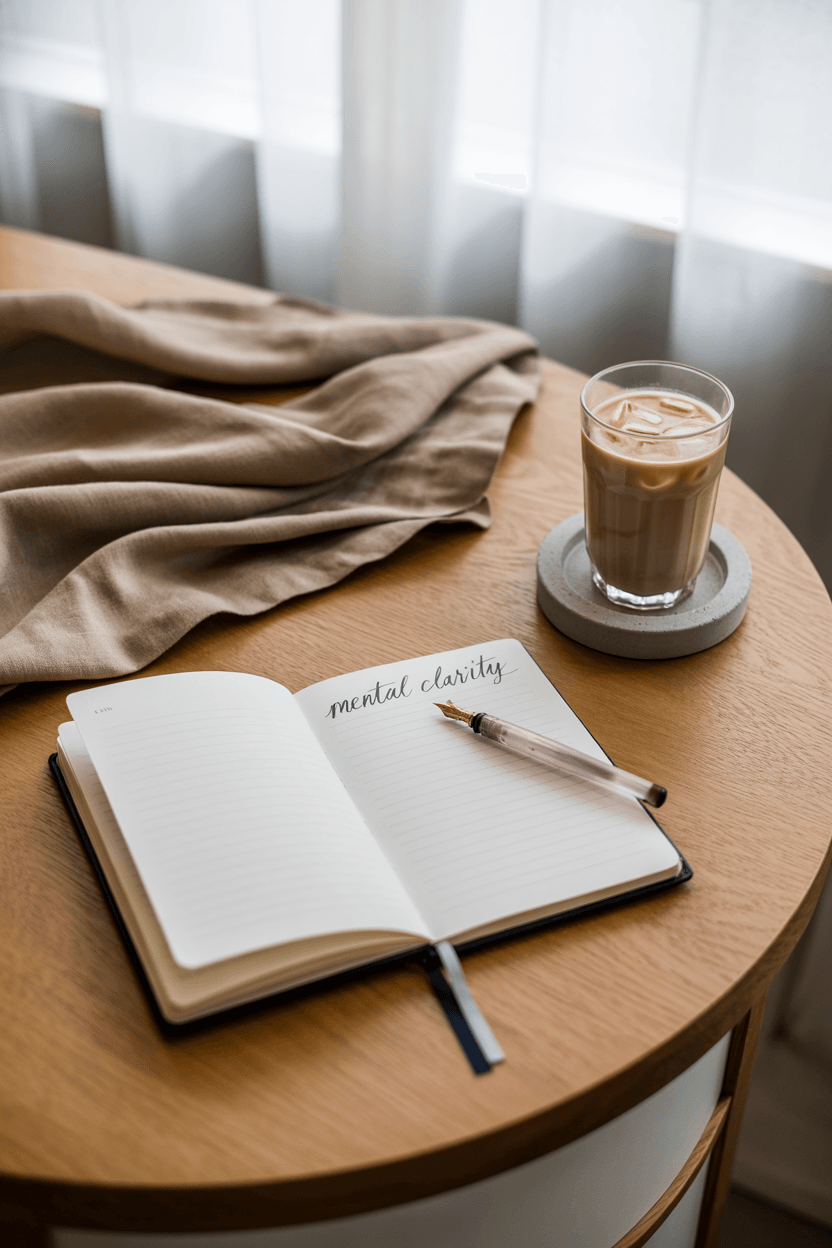
Art journaling for beginners is more than just doodles on a page it’s a creative reset. When writing feels too heavy or words don’t quite cut it, using color, collage, and sketches lets you say what text can’t. Whether you’re new to journaling or tired of the blank-page stare-down, adding visual elements is your permission slip to make journaling fun again.
Think of it as journaling’s more chaotic, more expressive, more you older sister. With color, doodles, collage, and a little creative rebellion, you can turn your notebook into a space that feels like you, even when you’re not sure what to say.
Whether you’re new to journaling or you’re just tired of staring at a blank page, adding visual elements might be the thing that finally gets you writing again. Or, not writing drawing, painting, scribbling, gluing, whatever works.

Art journaling is about freedom, not perfection. It’s about making space for the parts of you that don’t always speak in sentences.
Why Art Journaling Hits Different
If you’ve been craving a new way to express yourself, art journaling for beginners is the perfect way to start.
- It unlocks your creativity.
Colors, patterns, and shapes can get your imagination flowing even when words don’t show up. - It helps you process feelings without overthinking.
Not everything needs to be explained. Sometimes a doodle does the job. - It calms your nervous system.
According to research in The Arts in Psychotherapy, visual self-expression can regulate emotions and reduce stress and improve immune fuction. - It makes journaling actually fun.
No more pressure to be deep. Just vibes and expression. - It reveals what’s going on under the surface.
Like a little peek into your subconscious— without needing to analyze it to death.
Craving more inspo? Check out our list of journaling styles for beginners to find what suits your vibe.

How to Start Art Journaling(Even If You Don’t Call Yourself “Creative”)
This isn’t art school. There are no rules. These are just starting points feel free to break them.
1. Doodle Everything
Turn the margins of your page into your playground. Draw squiggles, stars, your dog, that weird dream you had. No artistic skill required just start scribbling.
2. Let Color Lead
Grab markers, highlighters, or watercolor brushes. Match the vibe: bold pinks for confidence, moody blues for reflection, sunshine yellow for your good days.
3. Create a Visual Vision Board
Cut up old magazines (or print stuff out) and glue what speaks to your goals, moods, or current chaos. Basically, a collage version of goal journaling.
4. Draw a Mandala or Zentangle
If you need calm, this one’s for you. Repetitive patterns = brain off, heart on. Perfect for anxiety spirals or overthinking days.
5. Sketch a Moment Instead of Writing It
No need to write “Today I got coffee with X.” Just sketch the latte. Or the sunlight on the table. Or the Spotify playlist you had on repeat.
6. Go Wild with Washi Tape and Stickers
Sometimes? Stickers are the point. Add texture, color, and a bit of play to your pages.
7. Try Mixed Media
Layer paints, fabric scraps, stamps, or pastels. Let your journal pages feel like a whole vibe, not just a record of events.
Need help getting started when the page feels too blank? You’ll love our guide to overcoming the blank page.

🛠️ How to Start (No Pressure)
You don’t need a cart full of art supplies to begin. Here’s the simple starter pack:
- Pick a journal that can handle paint, glue, or thick pens. A sketchbook or mixed-media notebook is your best bet.
- Gather supplies you already have colored pencils, pens, stickers, scissors, maybe even a glue stick from the back of a drawer.
- Let it be messy.
You’re not making a Pinterest-perfect spread. You’re making your space. - Do it regularly-ish.
Even five minutes can shift your mood. Put on music, light a candle, and let your hands take over.

💬 Final Thoughts: Journaling, But Freer
Art journaling is the journal era’s wild child. It’s not about aesthetics (though it can be cute), and it’s not about being deep (though it often is). It’s about showing up for yourself in a way that feels real.
No matter your style, art journaling for beginners is less about talent and more about trust trusting your instincts, emotions, and creativity.
So, if writing full pages every day isn’t your thing don’t stress. Try color. Try chaos. Try doodling your heartbreak, your dreams, your weekend plans. Just try.
There’s no wrong way to art journal. The only mistake is thinking you’re not “creative enough” to start.
Still figuring this journaling thing out?
Our Ultimate beginner’s guide has your back with tips, prompts, and totally judgment-free support. Start small, scroll slow.
Feeling inspired? Check out these simple journaling techniques if you want to blend art with writing and explore new ways to express yourself.